Do All EVs Use the Same Charger? A Simple Guide for New EV Drivers
If you're new to electric vehicles, this is one of the most common questions you'll ask. The short answer is no. The practical answer is it's getting much closer than it used to be.
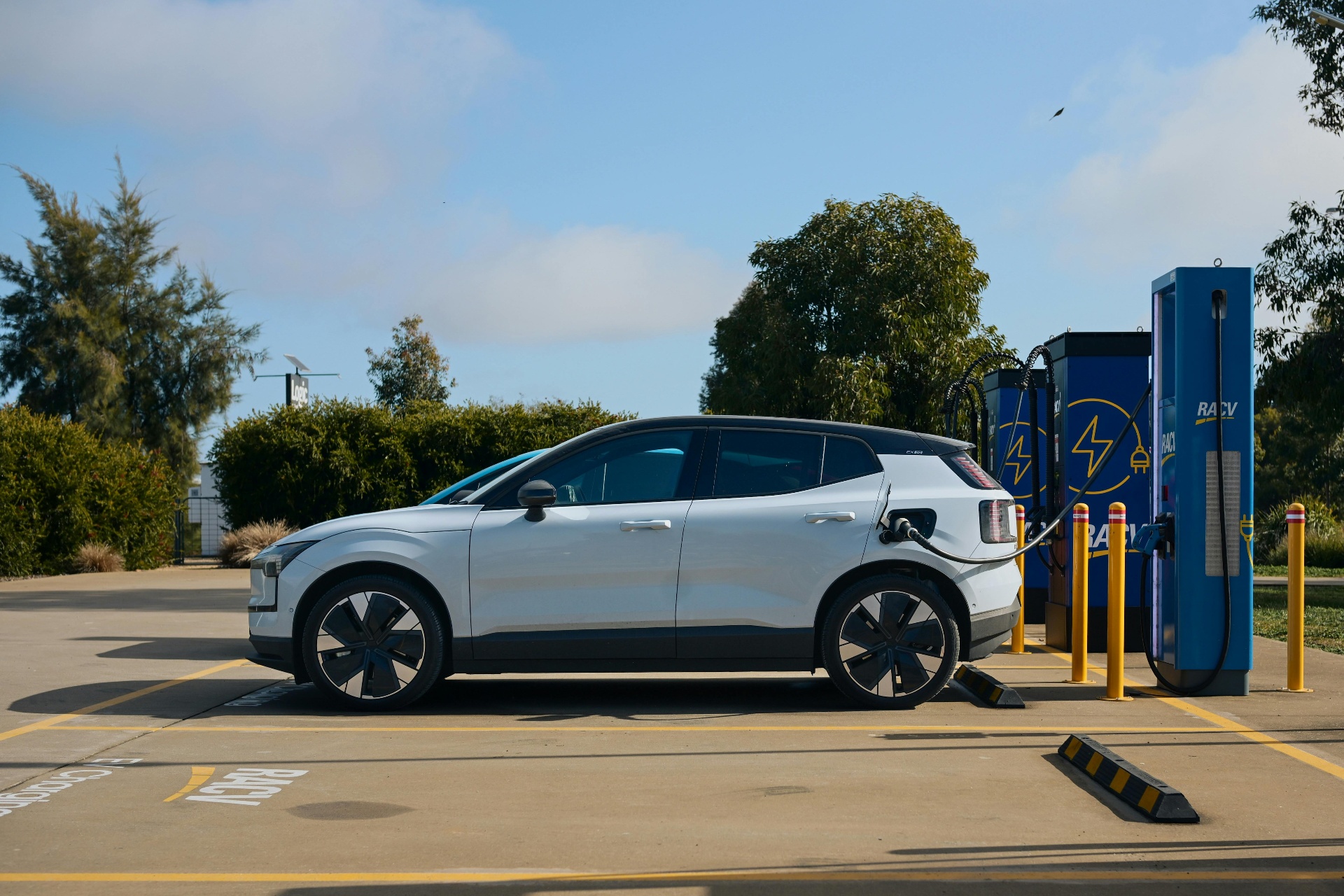
If you're new to electric vehicles, this is one of the most common — and most important — questions you'll ask:
Do all EVs use the same charger?
The short answer is no.
The practical answer is it's getting much closer than it used to be.
To understand why, it helps to break EV charging down into three simple parts:
- Charging power (how fast)
- Charging type (AC vs DC)
- Charging plugs (what physically fits)
Once you understand these basics, EV charging becomes far less confusing — and you'll also understand why roaming hub platforms like NetworkCore exist in the first place.
The Basics: AC vs DC Charging
EV chargers fall into two main categories:
AC Charging (Slower, Everyday Charging)
AC (Alternating Current) charging is what most people use daily.
- Found at homes, workplaces, gyms, hotels, parking lots
- Power usually ranges from 3.7 kW to 22 kW
- Charging takes several hours
- The car converts AC to DC internally
AC charging is ideal for overnight or long stays. Most EVs support AC charging, though not all at the same speed.
DC Charging (Fast Charging)
DC (Direct Current) charging bypasses the car's onboard charger and feeds power directly to the battery.
- Found at highway stations and fast-charging hubs
- Power ranges from 50 kW to 350 kW
- Can charge 20–80% in 15–40 minutes
- Used for long trips and quick top-ups
Not all EVs can accept the same DC speeds, even if they use the same plug.
Charging Levels Explained (In Simple Terms)
You may also hear about "levels" of charging:
- Level 1 – Very slow AC (household socket, mostly obsolete)
- Level 2 – Standard AC charging (most public & home chargers)
- Level 3 – DC fast charging
These levels describe speed and power, not the plug itself.
The Real Confusion: Charging Plugs
This is where the question "do all EVs use the same charger?" really comes from.
Common EV Charging Plugs Today
Type 2 (Mennekes)
Standard AC plug in Europe and many other regions
CCS (Combined Charging System)
The most common DC fast-charging standard globally (Type 2 + two extra pins)
CHAdeMO
Older DC standard, mainly used by some Japanese models
Tesla Connector / NACS
Originally Tesla-only, now opening up to other manufacturers
Different regions historically adopted different standards, which is why charging used to feel fragmented.
Tesla and the Shift Toward Standardisation
For years, Tesla used its own proprietary connector. That changed when Tesla opened its charging technology to other manufacturers.
In North America, Tesla's connector (now called NACS) is becoming a de-facto standard. In Europe, Tesla already uses CCS, aligning with the broader market.
This move significantly reduces fragmentation — and brings the industry closer to a world where most EVs can use most chargers, even if they charge at different speeds.
Do All EVs Charge at the Same Speed?
No — and this is just as important as the plug.
Charging speed depends on:
- The car's battery chemistry
- The car's maximum accepted power
- The charger's available power
- Battery temperature and state of charge
Two EVs using the same charger can have very different charging times. This is normal — and not a fault of the charger.
What About Wireless Charging?
Wireless EV charging sounds appealing — just park and charge.
In reality:
- It's less efficient
- It's slower
- It's expensive to deploy
- It struggles at higher power levels
For public infrastructure and scalable charging, wired charging remains far superior. Wireless charging may have niche use cases, but it is unlikely to replace plug-based charging anytime soon.
Other Ways EVs "Recharge"
EVs can also recover energy through:
- Regenerative braking (charging while slowing down)
- Downhill driving
- Smart energy management
These help efficiency but do not replace charging. They simply extend range.
So… Do All EVs Use the Same Charger?
Let's answer the question clearly.
No, not all EVs use the same charger:
- Different plugs exist
- Different charging speeds apply
- Different regions evolved differently
But:
- Standards are converging
- Most new EVs support CCS or NACS
- Roaming platforms make differences invisible to drivers
From a driver's perspective, charging is becoming simpler — even if the infrastructure underneath is complex.
Where NetworkCore Fits In (Quietly, but Critically)
EV drivers shouldn't need to know plug standards, roaming agreements, or settlement rules.
NetworkCore exists so that:
- Charging works across networks
- Apps and platforms connect to all chargers
- Payments, currencies, and VAT are handled automatically
- Drivers just plug in and charge
While EVs don't all use the same charger, they increasingly behave as if they do — because roaming and financial infrastructure sits underneath, connecting everything.
That's how EV charging scales globally: not by forcing one charger on everyone, but by connecting demand and supply intelligently.
Final Takeaway
If you're new to EVs, don't worry — you don't need to memorise plugs and power levels.
EV charging is becoming simpler, more standardised, and more seamless every year. And the platforms working behind the scenes are what make that possible.
Different chargers still exist.
But the experience is converging.
And that's exactly how it should be.