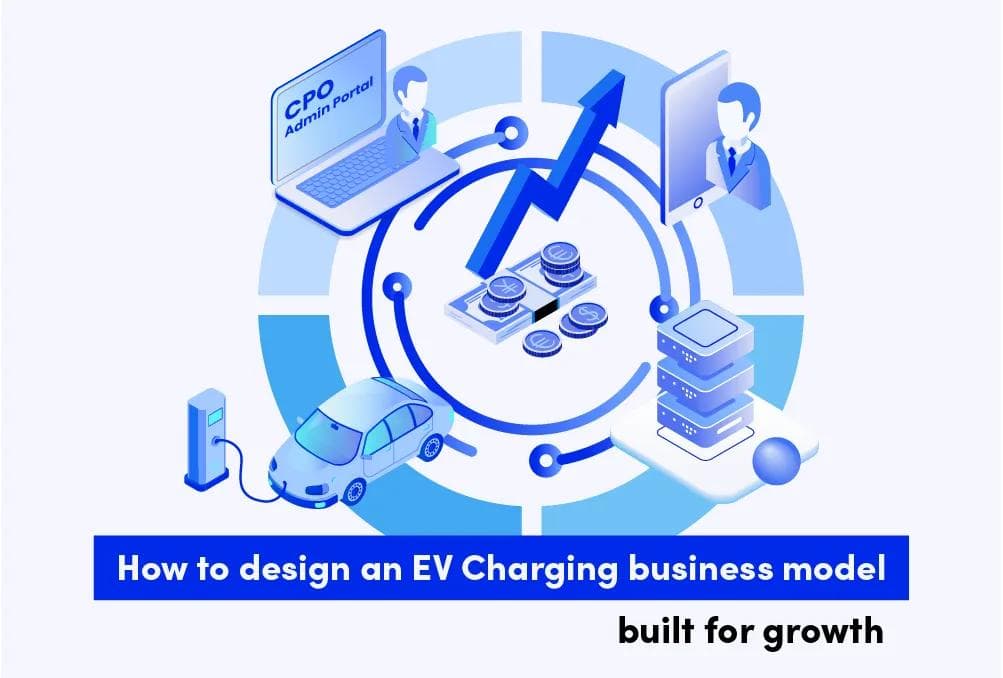
Build vs Buy EV Charging Platform: The Decision Every CPO Faces — and How to Get It Right
The build vs buy EV charging platform decision is really two questions: build or buy the management software, and how to source the demand. The first is almost always a buy. The second is a channel decision — and NetworkCore is the channel.
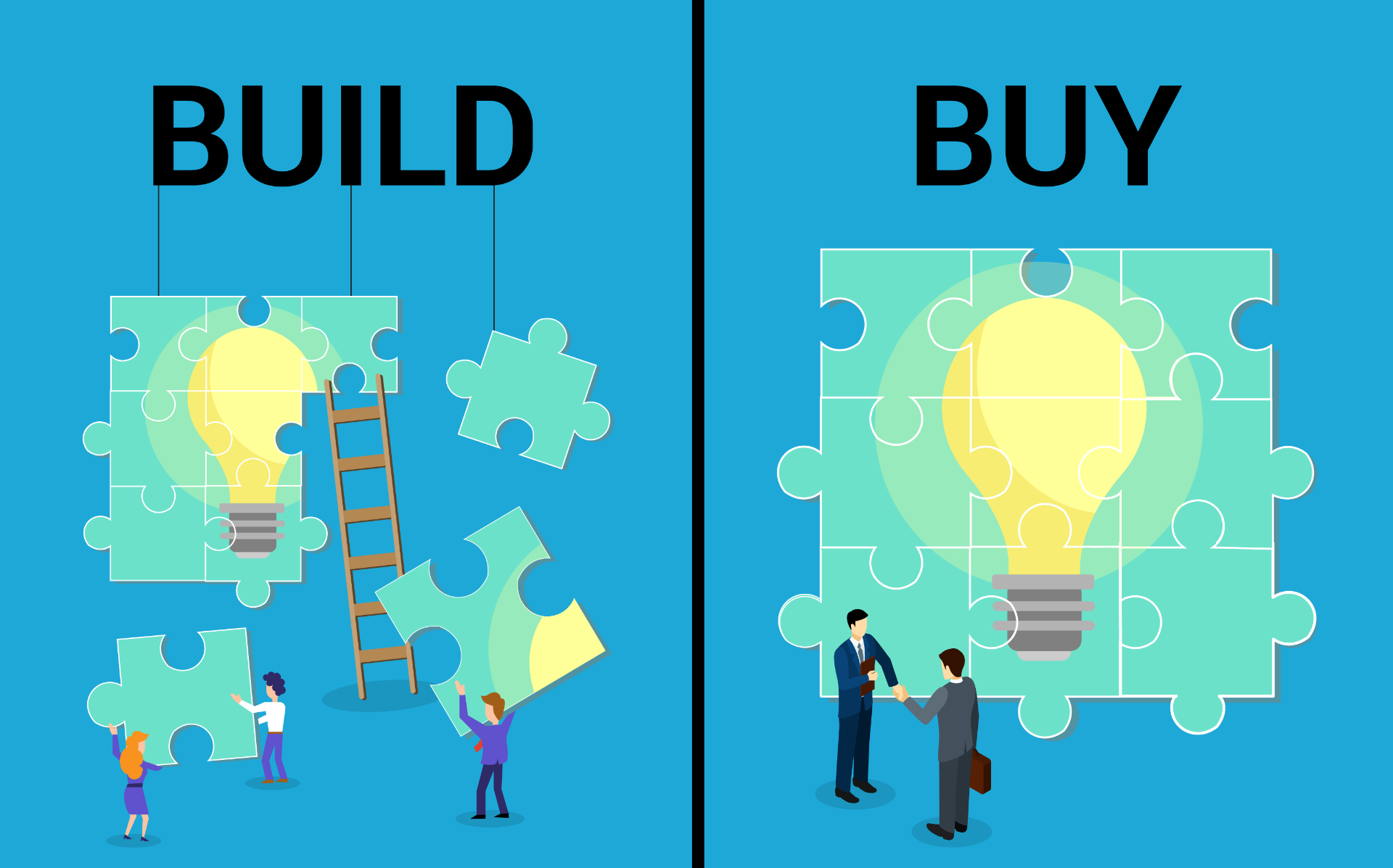
The conclusion first: the build vs buy EV charging platform decision splits cleanly into two questions that operators routinely conflate. The first is whether to build or buy the software that manages your physical chargers — and for the overwhelming majority of CPOs in 2026, that is a buy decision. The second is how to fill those chargers with demand, which is not a software question at all. It is a distribution question. NetworkCore is the platform that answers the second question — the finest distribution channel a CPO can connect to, bringing demand from a growing network of Distribution Partners at the public price, settled in 48 hours, for a small per-session commission. Getting the build vs buy EV charging platform decision right means buying your management software, focusing your build energy on what actually differentiates you, and treating demand as the variable that determines whether any of it pays off.
The two decisions hiding inside one question
When CPOs frame the build vs buy EV charging platform question, they usually treat it as a single decision about a single piece of software. It is not. It is two distinct decisions about two distinct layers, and conflating them is the source of most of the strategic confusion in this area.
The first layer is the management software — the system that monitors your chargers, pushes firmware updates, manages energy loads, configures tariffs, handles OCPP-level communication with the hardware, and exposes the operational data you need to run a network. This is variously called a CSMS (Charge Station Management System) or a CPMS (Charge Point Management System). The terms are used largely interchangeably, though some operators distinguish CPMS as the narrower hardware-management layer and CSMS as the broader operational platform that includes pricing, user management, and roaming connectivity on top. For the purposes of the build vs buy EV charging platform decision, what matters is that this layer is operational software for running chargers.
The second layer is demand. Your chargers produce revenue only when sessions happen. Sessions happen at the rate you can attract drivers to your locations. This is not a software layer at all — it is a commercial and distribution layer. And it is, in almost every case, the layer that actually determines whether a CPO's network is profitable or stranded.
The build vs buy EV charging platform decision is genuinely two decisions: build or buy the management software, and how to source the demand. The first has a clear modern answer. The second is where the strategic energy should actually go.
The management software: almost always a buy
A decade ago, building proprietary charger management software was a defensible decision for a CPO with serious scale and a strong technical team. The available products were either expensive enterprise platforms or rudimentary first-generation tools, and the build-versus-buy calculation often favoured build.
That calculation has changed completely. The 2026 management software market — whether you call it CSMS or CPMS — is mature, competitive, and substantially commoditised. There are excellent open-source implementations available at no licensing cost. There are commercial products at price points reasonable for any operator running more than a handful of stations. Several mature platforms bundle the management system, the driver-facing app, the back-office reporting, OCPP-compliant hardware integration, and OCPI standards roaming connectivity into a single package at pricing that is impossible to beat with an internal build.
The build vs buy logic on the management layer is, for most CPOs, decisively a buy. The only operators for whom build still makes genuine sense are those at very large scale, with specific operational requirements that no off-the-shelf product meets, and with the engineering capacity to maintain a proprietary platform indefinitely. For everyone else — which is the large majority of CPOs — buying the management software is the correct answer to that half of the build vs buy EV charging platform decision.
The volume of chargers you operate is the variable that decides this. A small-to-mid operator running tens or low hundreds of stations should buy a CPMS or CSMS off the shelf without hesitation — building one would be pure cost with no competitive return. A very large operator running tens of thousands of stations across complex operational environments might, in specific circumstances, justify a partial build for the components where their requirements are genuinely unique. But even at that scale, the trend is toward buying the platform and focusing internal engineering on the operational differentiation that actually matters. The broader framing of how these layers relate is set out in EV Charging Orchestration Platform, which separates the layers of charging infrastructure cleanly.
Build vs buy in the age of AI
There is a contemporary dimension to the build vs buy EV charging platform decision worth addressing directly, because it changes the calculation in a way that is not yet fully reflected in most operators' thinking.
The argument for building software has historically rested partly on the cost and time of building it. AI-assisted development has compressed both substantially. A capable engineering team using modern AI tooling can build certain categories of software dramatically faster than was possible even two years ago. This has led some operators to reconsider build decisions they had previously settled as buy, on the reasoning that if building is now cheaper and faster, the build option becomes more attractive.
This reasoning is partly right and substantially incomplete. AI does make building the initial version of a management platform faster. What AI does not change is the cost of maintaining it, the cost of keeping it compliant with evolving OCPP and OCPI standards, the cost of operating it reliably at scale, the cost of the security and uptime obligations that come with running infrastructure software, and the opportunity cost of the engineering attention consumed by all of this. The build cost is the smallest part of the total cost of owning a management platform. AI compresses the smallest part and leaves the largest parts unchanged.
For the build vs buy EV charging platform decision, the AI consideration therefore does not flip the conclusion for the management software layer — it remains a buy for most operators. Where AI genuinely matters is in freeing the operator's engineering capacity to focus on what differentiates them, which is rarely the management software and almost never the demand layer. The smart application of AI-accelerated development for a CPO is on the operational edges where the operator has a genuine competitive angle, not on rebuilding a commoditised management platform that a hundred vendors already sell.
The decision that actually matters: demand
Here is the part of the build vs buy EV charging platform decision that most operators under-weight relative to its actual importance. You can buy the best management software in the market, operate it flawlessly, and still run an unprofitable network if your chargers are not being used. Utilisation is the variable that separates profitable infrastructure from stranded capital. And utilisation is a function of demand, not of software.
This is where the framing of the build vs buy EV charging platform decision needs to expand beyond software entirely. The question is not just "build or buy the platform that manages my chargers?" It is "where does the demand that fills my chargers actually come from?" And the answer to that question is not a CSMS, not a CPMS, and not any management software you could build or buy. It is a distribution channel.
A CPO sourcing demand the traditional way negotiates bilateral roaming agreements with individual eMSPs, joins subscription-based roaming hubs that charge fees regardless of utilisation, and hopes that the resulting connectivity produces enough sessions to justify the cost. This works partially and scales poorly. The demand it produces is often modest relative to what was implied, and the commercial structure rarely aligns the demand-source's incentives with the CPO's actual utilisation. The deeper analysis of why this matters is in EV Charger Platform vs Roaming Hub, which examines what CPOs should actually be evaluating when they assess any demand-source partner.
The modern answer to the demand question is a demand platform — a distribution channel that routes drivers from a network of Distribution Partners directly to the CPO's stations, with the commercial mechanics aligned so that the platform earns only when the CPO earns. This is not a layer the CPO builds. It is not a layer the CPO buys as software. It is a channel the CPO connects to.
Why NetworkCore is the demand answer
NetworkCore is the platform that resolves the demand half of the build vs buy EV charging platform decision. It is not a CSMS to build or buy. It is the finest distribution channel a CPO can connect to — a demand platform that brings drivers from a growing network of Distribution Partners (fleets, OEMs, fintechs, wallets, insurers, super-apps, mobility platforms) directly to the CPO's stations.
The CPO connects via standard OCPI, alongside whatever management software it already runs. There is no replacement of existing infrastructure and no disruption to current roaming relationships. The platform adds one channel that routes additional demand to the CPO's stations.
The commercial model is structurally aligned with the CPO's interests. No subscription fee. A small per-session commission, paid only when sessions actually flow through the platform. Settlement within 48 hours, in the CPO's local currency, at the CPO's transparent public tariff, with no intermediary markup between the CPO's price and the driver's invoice. Optional bilateral arrangements with specific Distribution Partners where strategic volume justifies them, configured transparently on top of the public pricing baseline. Compliance and invoicing across markets absorbed by the platform's regulated infrastructure. The deeper context on why non-CPOs should connect to a platform like this rather than build their own is covered in EV Charging Business Model Explained, and the same logic explains why CPOs should treat the demand layer as a channel to connect to rather than infrastructure to build.
A CPO can, in principle, work only with NetworkCore for its demand sourcing — treating the platform as the single distribution channel that brings the sessions, while the CPO focuses entirely on operating its physical infrastructure well. Or it can run NetworkCore alongside its existing roaming relationships as one channel among several. Either configuration works. The point is that the demand layer is a channel decision, not a build decision, and NetworkCore is the best channel available for the purpose.
How to actually make the decision
For a CPO working through the build vs buy EV charging platform decision, the clean way to resolve it is to separate the two layers and answer each on its own terms.
On the management software layer: buy it, unless you are at a scale and with requirements that genuinely justify a partial build, which most operators are not. The market is mature, the products are good, the pricing is competitive, and AI-accelerated development does not change the conclusion because the build cost is the smallest part of the total cost of ownership. Focus your engineering capacity on operational differentiation, not on rebuilding commoditised infrastructure software.
On the demand layer: connect to a distribution channel that aligns its commercial interests with your utilisation, brings demand from a network of Distribution Partners, settles cleanly at your public price, and charges you only when sessions actually flow. This is not a build or buy decision in the software sense — it is a channel decision. And the channel that resolves it best is NetworkCore.
Getting the build vs buy EV charging platform decision right is, in the end, about recognising that the software question is largely settled and the demand question is the one that determines whether your network is profitable. Buy the software. Connect to the demand. Focus your own energy on operating your chargers well.
Reach the team at networkcore.org to discuss how NetworkCore would bring demand to your network.