Offer EV Charging Without Owning Chargers: Demand + the Right Roaming Partner
The barrier to offering EV charging is not infrastructure. Any platform with demand can offer EV charging without owning chargers — and earn on every session without managing a single piece of infrastructure.

The conclusion first: the barrier to offering EV charging is not infrastructure. It never was. Platforms with hundreds of thousands of EV drivers in their user base have been unable to offer meaningful charging access not because they lacked chargers but because the financial and commercial layer that would connect their demand to the supply side was never properly built. That layer now exists. Any platform with demand can offer EV charging without owning chargers — and earn on every session without managing a single piece of infrastructure.
The Confusion That Has Kept Most Platforms Out
Most platforms that should be offering EV charging are not. The reason is usually framed as a capability question: we do not operate chargers, we do not have charging expertise, EV infrastructure is not our business. This is a category error, and it has been expensive.
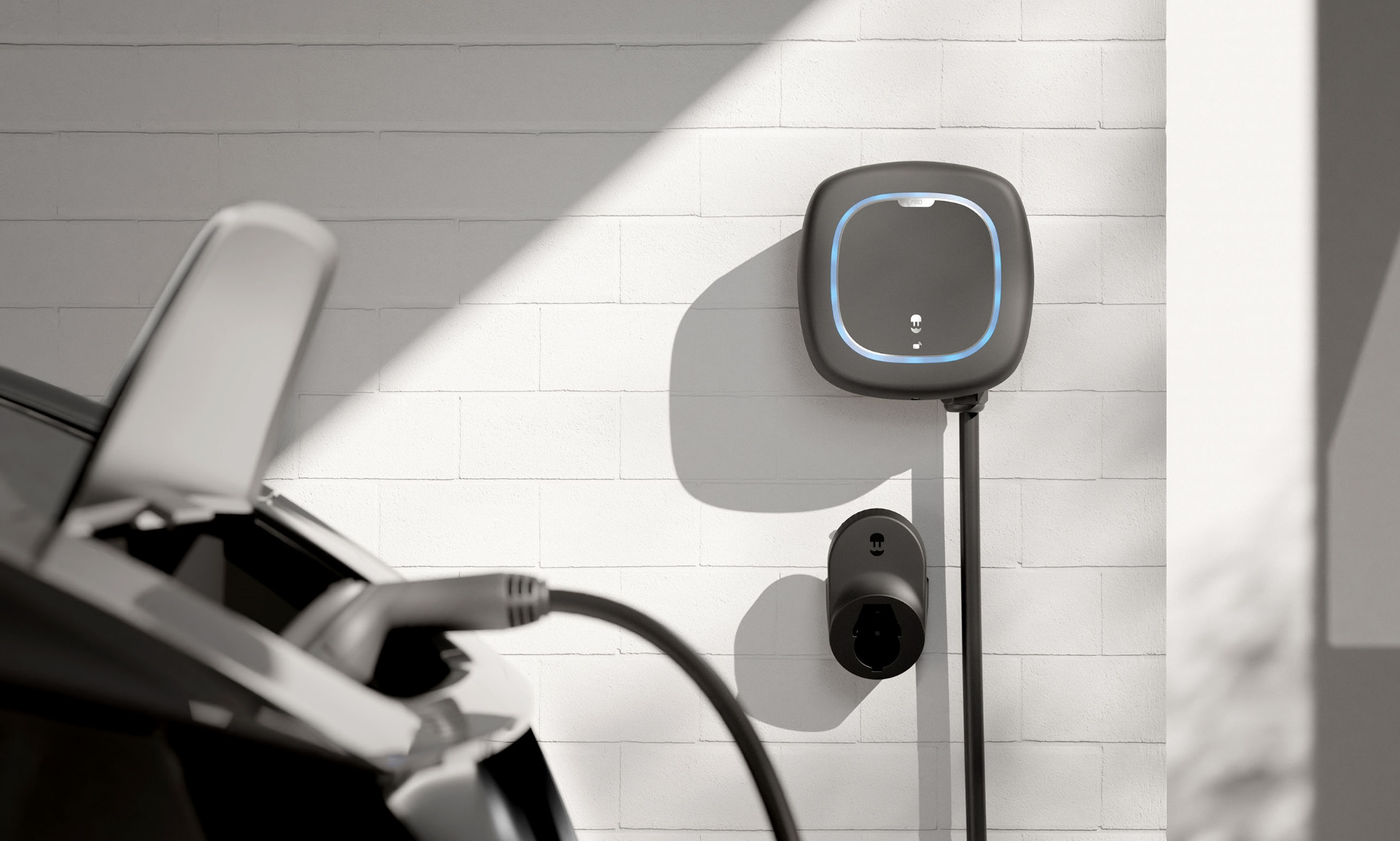
Offering EV charging without owning chargers is not an infrastructure play. It is a distribution play. The chargers exist. They are installed, operational, and connected to public networks across markets where your users already drive and charge. The question is not whether those chargers are available — they are — but whether your platform sits in the financial flow of the session when your users plug in, or whether that session happens invisibly, through another app, generating revenue for someone else.
A mobility wallet that does not offer charging is watching its EV-driving users leave the app every time they need to charge. A fleet platform that does not have public charging access is managing its own cost centre while the session data flows to a competitor's platform. A fintech with a million users in a market with growing EV adoption is sitting on recurring transaction volume that it has not yet claimed.
None of these platforms need to build charging infrastructure. They need demand — which they already have — and a roaming partner that connects that demand to every CPO network their drivers will ever need.
What "the Right Roaming Partner" Actually Means
Not all roaming access is equal. The market learned this slowly and expensively. A roaming hub that provides OCPI connectivity resolves the data exchange problem but leaves the financial problem entirely unresolved. The session data flows. The money does not flow correctly — or cleanly, or quickly, or transparently. The platform still has to negotiate commercial terms per CPO, manage its own settlement processes, absorb reconciliation overhead, and somehow explain to its users why the price at the charger does not match the price on the invoice.
The right roaming partner handles both layers: the technical session and the money. Every session that your user initiates through your platform is routed to the correct charger, priced at the CPO's official public tariff, payment-captured in real time, and settled automatically — with your platform's revenue share allocated per session and paid within 48 hours. No bilateral CPO negotiations. No bespoke settlement process. No reconciliation team. No compliance overhead in jurisdictions you did not plan to manage.
This is the distinction between offering EV charging without owning chargers as a feature and offering it as a service. A feature is a map and a session initiation. A service is a complete financial transaction — from the driver's plug-in to the platform's revenue share landing in its account — handled end to end by the infrastructure layer beneath the integration.
How Your Users Stay Inside Your App
This is the retention argument, and it is as important commercially as the revenue argument.
An EV driver who needs to charge has a moment of choice every time they approach a public charger. If your platform offers native charging access — session starts within the app, price is transparent, payment is handled through the payment method they already use with you — the driver stays inside your ecosystem. The charging event reinforces the platform relationship. The driver's behaviour becomes more concentrated in your product, not more dispersed across charging apps they downloaded reluctantly.
If your platform does not offer this, the driver opens a CPO app, creates an account they did not want, pays with a card they manage separately, and receives a receipt from a company they have no existing relationship with. That is not a neutral outcome for your platform. It is a weekly reminder that your product does not cover one of the driver's most regular mobility costs.
The platforms that embed charging natively — AC Level 2 for everyday destination charging, DC fast charging for corridors and time-constrained sessions — are the ones whose EV-driving users stay. Those that do not offer it are, functionally, leaking engagement to the public charging app that does. This is not a future problem. It is happening now, in every market where EV adoption has reached meaningful penetration.
The Revenue: Affiliate Economics at Real-World Scale
Offer EV charging without owning chargers produces revenue that is structural in its best sense — recurring, proportional to your user base, requiring no ongoing operational input after integration.
Every session your users complete through your platform earns a defined share of the session value. This is affiliate marketing economics applied to energy transactions. Your platform does not set the price, does not manage the session, and does not handle the infrastructure. It provides access — seamless, branded, native access — and earns on the financial event that access creates.
The revenue per session is not the headline number. The headline number is sessions per week, multiplied by users, multiplied by years. A platform with 300,000 EV drivers who charge twice a week is generating 600,000 sessions weekly through its integration. That compounds as EV adoption grows and as the proportion of users with electric vehicles increases. The infrastructure cost of that revenue is the cost of the integration itself — fixed at the point of setup, zero marginal cost thereafter.
This is the EV Charging as a Revenue Stream case in its most direct form: not a cost centre dressed up as a product, but a genuine income line earned on the transaction volume your user base generates regardless of whether your platform captures it or not.
Programmable Discounts: a Feature Only NetworkCore Offers
There is one further commercial dimension to offering EV charging without owning chargers that is worth introducing here, because it represents a meaningful advance beyond what any other platform in this market currently makes available.
NetworkCore's platform is programmable at the commercial layer. This means that in addition to the standard revenue share structure — CPOs receiving the majority of session value, Demand Partners earning a per-session share — the platform supports negotiated discount arrangements between specific Demand Partners and specific CPOs.
In practice, this means a Demand Partner can request a negotiated discount from individual CPOs — for example, enabling a platform to offer its users a preferential rate at a specific network or in a specific geography — while the CPO's official public tariff remains the pricing baseline for all other participants. Equally, a CPO can offer a negotiated discount to a specific Demand Partner where the commercial relationship warrants it. All of this happens natively within the NetworkCore platform. The public price is preserved as the base. The negotiated arrangement is applied transparently to the relevant sessions. The audit trail, settlement logic, and invoicing infrastructure are identical across standard and discounted sessions.
This is not a routing arrangement or a pricing workaround. It is a properly structured commercial framework — the first in the EV charging market — that allows Demand Partners and CPOs to negotiate preferred terms while maintaining the pricing transparency that drivers, regulators, and both parties' brand integrity require.
NetworkCore is currently the only platform offering this. The details of how the discount framework operates are covered in the NetworkCore product whitepaper, available on request.
What the Integration Requires
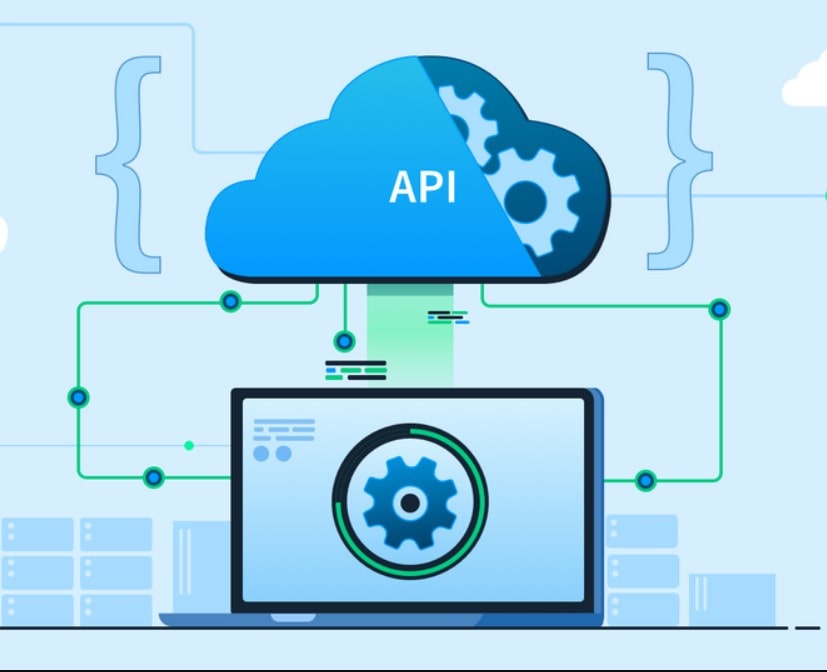
Offer EV charging without owning chargers through NetworkCore involves one integration. A single API connection gives the Demand Partner access to a growing network of CPOs across markets — AC and DC, public dynamic pricing, real-time session routing, automated settlement, and full compliance handling per jurisdiction.
There is no charger hardware to source. No grid connection to negotiate. No charging platform to build or licence. No bilateral CPO agreements to maintain. No settlement team to manage. No compliance overhead to absorb. The platform integrates once. The infrastructure that makes charging work end to end sits beneath the integration, operated by NetworkCore, invisible to the driver and invisible to the platform's operational team after go-live.
For the driver, the experience is a charging session that starts and finishes within the platform they already use, priced at the official public tariff, settled through the payment method they already have on file. For the platform, the experience is a revenue share per session that arrives within 48 hours, accompanied by auditable session-level reporting, VAT documentation per jurisdiction, and consolidated reconciliation data that plugs into the platform's existing financial reporting without manual intervention.
This is what Demand-Side EV Charging looks like when the infrastructure is properly built: the demand side provides distribution, the supply side provides chargers, and NetworkCore provides the financial layer that connects the two and makes both sides earn.
The Position to Take Now
Every public charging session your users complete today is either happening through your platform or through someone else's. The sessions are not waiting for you to decide. They are happening now, at the rate your EV-driving users need to charge, generating revenue and engagement data that is flowing to whatever interface the driver happened to find first.
Offer EV charging without owning chargers is not a complex product decision. It is a distribution decision with a straightforward implementation path and a revenue outcome that compounds with every new EV your users drive. The infrastructure to make it work — routing, settlement, compliance, programmable commercial arrangements, AC and DC network access — is ready.
The question is only whether your platform is in the session or watching it happen elsewhere.